
Running a business means watching day-to-day costs and overhead. One building feature that is easy to miss is the glass. Large windows bring in natural light, but they can also pull in heat, glare, and unwanted views. That can raise energy bills and hurt comfort. Commercial window tinting is a smart fix.
Whether you run a corporate office, retail shop, or medical clinic, the right film can change how your space feels. These modern films are layered products made to solve heat, glare, and security problems. Upgrading your glass can be one of the best moves a property manager makes.
Summary
Commercial window tinting is a high-ROI upgrade. It cuts solar heat gain, lowers utility costs, and eases HVAC strain. Many projects pay for themselves in three to five years. Modern films, including Low-E, solar control, and ceramic options, improve comfort and output by cutting glare and keeping temperatures steady. Film choice also affects performance and wireless signal. Many projects qualify for rebates. The result is happier tenants, better asset protection, and a more efficient, secure workspace.
Commercial Window Tinting: The Financial Benefits
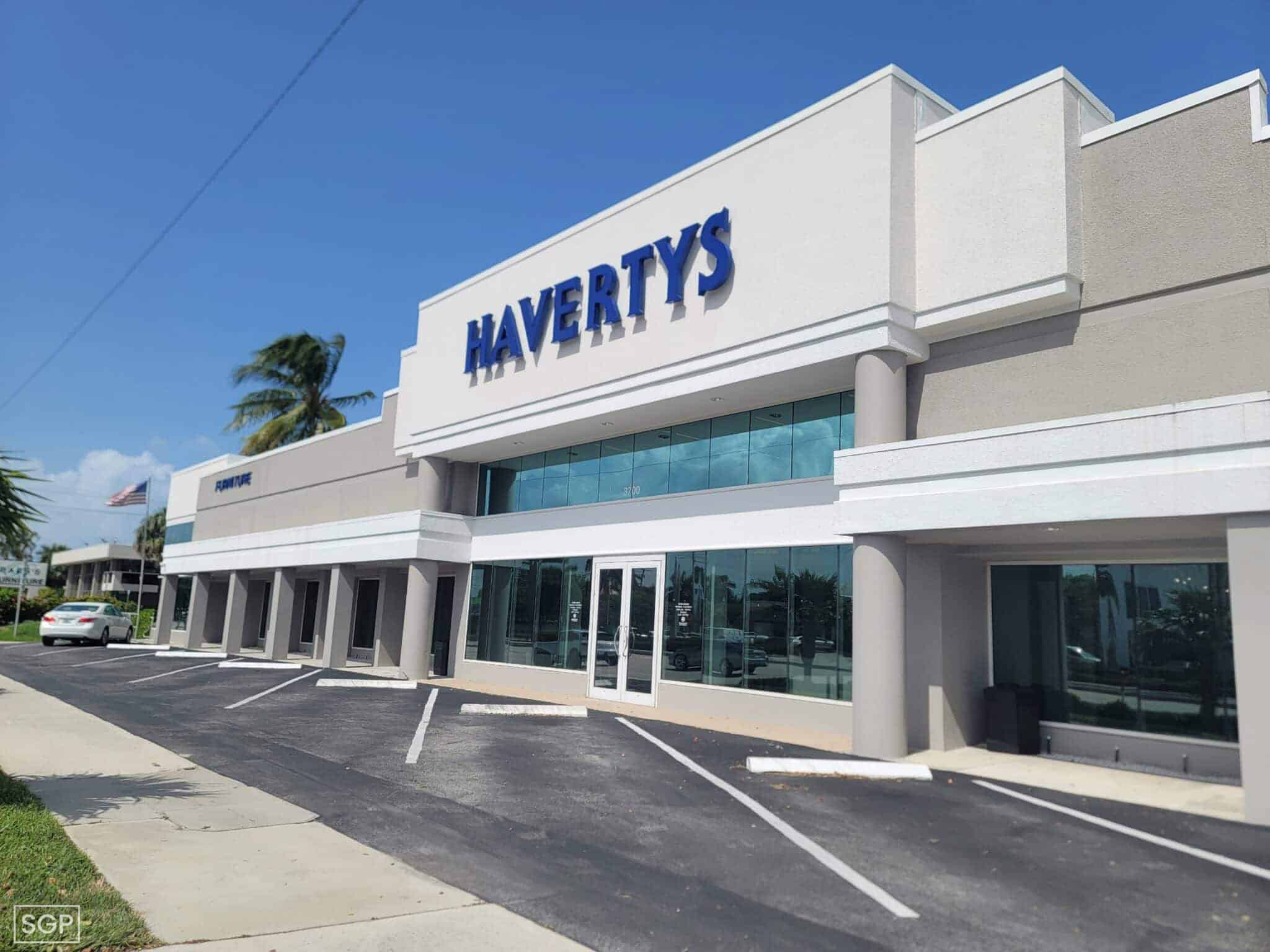
Many facility managers pause when they look at commercial window tinting cost and see only an expense. In reality, bare glass lets in a lot of solar heat. That can turn a building into a greenhouse. HVAC systems then run harder, and power bills rise.
By using office window tint, businesses can cut cooling costs and lower utility bills. These films reflect solar energy before it enters the building. That is why the payback is often fast. Many owners recover the cost in three to five years through energy savings alone.
When choosing energy-saving window treatments for businesses, managers often notice the benefits of Low-E glass coating. Low-E films work as a two-way thermal barrier. In summer, they block harsh heat. In winter, they help keep indoor heat inside. That keeps spaces more stable and can lower strain on HVAC systems.
Some projects also qualify for local utility rebates for green upgrades. Those savings can speed up payback and improve the return on investment. Lower bills, less wear on equipment, and stronger tenant retention make the upgrade even more appealing.
To summarize the main financial gains from commercial window tinting:
- Lower Utility Bills: Immediate cuts in air conditioning use during bright daylight hours.
- HVAC Longevity: Less strain on cooling systems, which can delay costly replacements.
- Rebates: Qualify for local utility energy-efficiency rebates for green upgrades.
- Tenant Retention: A steady indoor climate keeps commercial tenants comfortable and can lower turnover.
Better Comfort and Asset Protection

A comfortable work setting is deeply tied to daily output. Too much sun creates hot spots and glare. Adding high-quality office window tint is one of the best anti-glare solutions for computer screens. With less harsh light, employees squint less, get fewer headaches, and focus better.
When selecting film, look at visible light transmission for commercial buildings.
Visible Light Transmission, or VLT, is the share of natural light that passes through glass.
Lower VLT cuts glare and boosts heat rejection.
Higher VLT keeps rooms bright while still giving thermal control.
Retailers often choose high VLT films so storefront displays stay easy to see.
Some businesses also choose privacy window film for conference rooms and street-facing offices. Others use UV protection film to help guard furniture, flooring, and displays from fading.
Material choice matters too. Ceramic vs. metallic window film performance can affect both heat control and wireless signal. Metallic films block heat well, but they can disrupt cellular and Wi-Fi service indoors. Premium ceramic films offer strong heat and glare control without that trade-off.
Frequently Asked Questions
Question: Why should a business consider commercial window tinting beyond looks?
Short answer: Bare glass can pull in heat, create glare, and drive up cooling costs. Commercial window tinting helps control those issues while also improving comfort, indoor stability, security, and asset protection. For offices, retail stores, and clinics, it is a practical upgrade, not just a cosmetic one.
Question: What ROI and payback period can I expect from commercial window tinting?
Short answer: Many businesses see payback in three to five years through lower cooling demand and smaller utility bills. The film reflects solar energy before it enters the space, which cuts AC use and eases strain on HVAC equipment. Many projects also qualify for local energy-efficiency rebates, which can speed up the return.
Question: How do Low-E films work, and why are they useful all year?
Short answer: Low-E films act as a two-way thermal barrier. In summer, they block outside heat. In winter, they reflect indoor warmth back into the room. That all-season use helps keep temperatures steady, reduces HVAC strain, and supports year-round energy savings.
Question: What is VLT, and how do I pick the right level?
Short answer: Visible Light Transmission, or VLT, is the amount of natural light that passes through the glass. Lower VLT reduces glare and increases heat rejection, which helps in bright work areas. Higher VLT keeps interiors bright while still offering thermal control, which many retailers prefer for clear storefront displays.
Question: Will window film affect Wi-Fi or cellular signals?
Short answer: It can, depending on the film. Metallic films can block heat well, but they may interfere with wireless signal indoors. Premium ceramic films are made to give strong heat and glare control without that problem.
For many buildings, commercial window tinting is one of the simplest ways to lower operating costs and improve comfort. If you compare commercial window tinting contractors, ask about film type, warranty, and wireless signal impact.